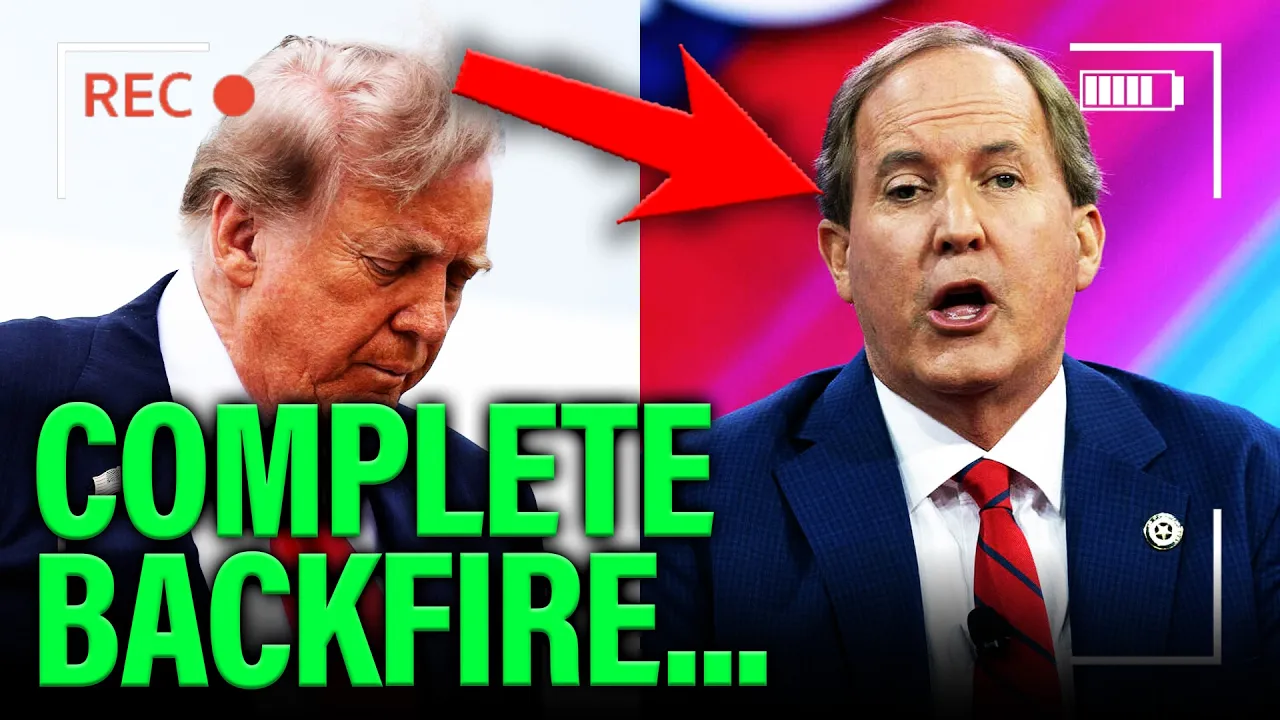
Texas Attorney General Ken Paxton has launched a controversial investigation into pediatricians and vaccine providers, claiming a widespread bribery scheme between Big Pharma and insurance companies. But legal experts and medical professionals say the probe is a dangerous political stunt that could endanger children's health and waste taxpayer money. In this article, we break down the facts, the legal maneuverings, and the real-world consequences for Texas families.
The Allegations: A Bribery Scheme or a Political Smokescreen?
Ken Paxton announced that his office is investigating whether pediatricians are being bribed by pharmaceutical companies and insurers to pressure parents into vaccinating their children. He sent demand letters to small practices across Texas, requesting extensive records and documentation. The move has sent shockwaves through the medical community, with many doctors feeling targeted for simply following the CDC's recommended immunization schedule.
Paxton's public statements have used loaded language, referring to vaccines as "jabs" and suggesting that parents are being coerced. However, his evidence appears thin. One supposed piece of evidence was a $40 box of cookies given to a pediatrician's office—a gift that hardly constitutes a bribery scheme. Another pediatrician was scrutinized simply for hiring a lawyer to defend herself against the investigation.
The Legal Loophole: How Paxton Is Wielding Consumer Protection Laws
Rather than pursuing a criminal investigation, which would require probable cause and judicial oversight, Paxton is using Texas's consumer protection statute. This civil law allows the attorney general to demand documents with a very low threshold—merely a "reason to believe" that relevant documents exist. Recent Texas Supreme Court rulings have further lowered the bar, meaning Paxton doesn't even have to prove that the targets actually possess the documents he demands.
This tactic places an enormous burden on small medical practices. Doctors must divert time and resources away from patient care to comply with sweeping records requests. For solo practitioners and small-town clinics, the cost of legal fees and administrative work can be devastating. It's a classic case of using bureaucratic power to harass and intimidate, critics say, rather than to protect consumers.
The Medical Reality: Vaccines Are Not a Profit Center
The American Academy of Pediatrics (AAP) has pushed back forcefully against Paxton's claims. They point out that pediatricians typically lose money on vaccines. Practices must purchase vaccine inventory upfront, pay for cold storage, and cover staff time to administer the shots. Insurance reimbursements often fail to cover these costs. In other words, there is no financial incentive for doctors to push vaccines—if anything, the economics discourage it.
Furthermore, the idea that insurance companies would bribe doctors to administer vaccines defies logic. Insurance companies are in the business of minimizing payouts. They routinely deny claims and delay payments. Why would they spend money to encourage a procedure they have to pay for? As legal experts note, the insurance industry's business model is to collect premiums and avoid paying claims—not to shell out bribes for vaccines.
The Real Victims: Texas Children at Risk
While Paxton frames his investigation as protecting children, the opposite may be true. Texas has already seen measles outbreaks in recent years, including cases that resulted in hospitalization and even death. These outbreaks are directly linked to declining vaccination rates. By sowing doubt about vaccine safety and targeting doctors who follow established science, Paxton is contributing to a public health crisis.
Pediatricians are now fearful that they could be next on Paxton's list. Some may choose to stop offering vaccines altogether to avoid legal trouble. Others may leave the state. The chilling effect on medical practice could lead to lower immunization rates and more preventable disease outbreaks. The most vulnerable—infants, immunocompromised children, and those who cannot be vaccinated for medical reasons—will suffer the most.
The Political Motive: A Senate Race and a Base to Fire Up
Why would Paxton pursue such a dubious investigation? Many observers believe it's a political calculation. Texas is home to a hotly contested Senate race, and Paxton is up for reelection. His base includes a vocal anti-vaccine faction that distrusts mainstream medicine and government mandates. By going after pediatricians and vaccine providers, Paxton can rally that base and drive turnout.
However, the strategy risks backfiring. Moderate voters and even some Republicans may be turned off by attacks on doctors and children's health. The investigation has already generated negative headlines and could alienate the very voters Paxton needs to win a general election. It's a high-stakes gamble that puts political ambition above the well-being of Texas families.
The Bottom Line: An Abuse of Power with Dangerous Consequences
Ken Paxton's vaccine probe is not about protecting children—it's about political theater. The evidence is flimsy, the legal basis is shaky, and the consequences are severe. Pediatricians are being harassed, vaccine rates are dropping, and children are at risk of preventable diseases. Texans deserve better than an attorney general who uses his office to score political points at the expense of public health.
As the investigation continues, it's crucial for parents, doctors, and policymakers to speak out. Vaccines save lives. They are safe, effective, and essential. We must not let baseless conspiracy theories and political opportunism undermine the health of our communities. The stakes are too high to stay silent.


0 Comments