Introduction: A New American Pastime
In recent months, a surprising trend has taken over American public life: heckling MAGA Republicans. From town halls to Capitol Hill, ordinary citizens are confronting Trump supporters and their representatives with tough questions, signs, and chants. What was once a fringe activity has exploded into a viral phenomenon, and the MAGA faithful are not taking it well. The backlash has been swift, revealing deep cracks in the movement's facade of unity and strength.
This article explores the rise of public heckling as a form of political expression, the reactions from MAGA figures, and what this means for the upcoming midterms. We'll dive into specific incidents, analyze the broader implications, and consider why this trend is resonating with so many Americans.
The Spark That Ignited the Fire
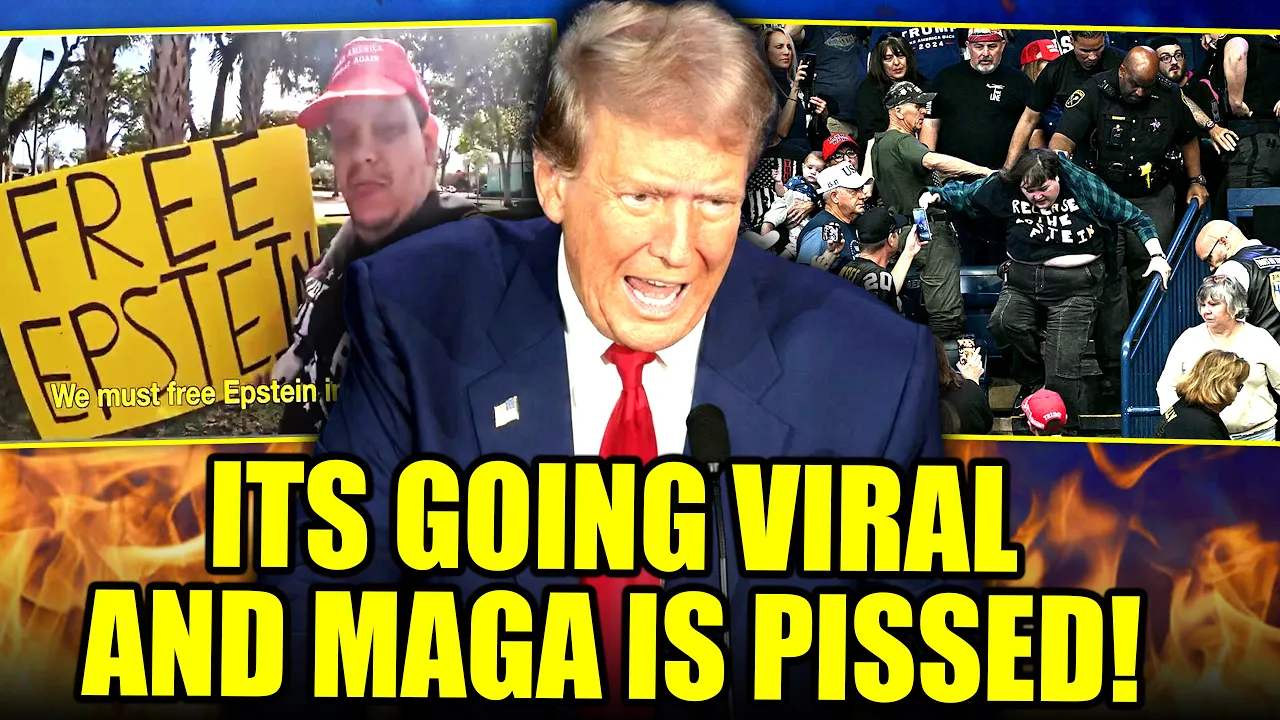
The recent surge in heckling can be traced to a series of high-profile confrontations. One of the most memorable occurred when a protester held up a sign reading "Free Epstein" at a Trump event, leading to a heated exchange. The protester was met with confusion and aggression, but the moment was captured and shared millions of times. It wasn't an isolated incident; similar scenes have played out across the country.
At a town hall in Maryland, Representative Andy Harris, a Republican, was asked about diesel prices. Instead of answering, he accused the questioner of violating his free speech and even tried to have a journalist arrested. The exchange, filled with gaslighting and misinformation, went viral. Harris's attempt to silence a constituent backfired spectacularly, as the clip spread like wildfire. This incident highlighted the growing frustration among voters who feel their representatives are out of touch and unwilling to engage in honest dialogue.
Another pivotal moment came when Laura Loomer, a far-right provocateur, attempted to heckle a Capitol Hill session. Instead, she was hilariously drowned out by a congressman reciting auction-style numbers, and eventually escorted out. The irony of a professional heckler being heckled was not lost on the public. These incidents have emboldened more people to speak up, turning heckling into a collective act of resistance.
From the Top Down: Heckling Reaches the Highest Levels
The heckling trend isn't limited to local events; it has reached the upper echelons of power. At a recent event, Pete Hegseth, a Trump ally, was speaking about autonomous warfare when he was interrupted by a heckler. The disruption was brief but pointed, showing that even the most guarded spaces are no longer safe for MAGA rhetoric. Similarly, Donald Trump's rallies have seen an uptick in protests, with attendees wearing "Release the Epstein Files" shirts and facing physical violence from other attendees.
The most shocking moment came when former Congresswoman Marjorie Taylor Greene admonished MAGA men for beating up a protester at a Trump rally. Greene, once a staunch Trump supporter, called the movement "disgusting and unrecognizable." Her words, while hypocritical given her past, signaled a growing unease even within MAGA circles. The fact that a woman was attacked for protesting while the attackers were allowed to stay speaks volumes about the movement's values—or lack thereof.
Trump himself has not been immune. After a protester was ejected from a rally, he mocked her appearance and called her a paid protester. This only fueled more outrage and motivated others to take a stand. The president's dismissive attitude toward dissent is a key driver of the heckling phenomenon; people are tired of being ignored and demeaned.
The OGs of Heckling: Professional Douche and Others
While the recent wave of heckling feels new, it's built on the work of veteran activists. One such figure is "Professional Douche," a YouTuber who has been trolling MAGA events for years. His nonchalant style and ability to blend in have allowed him to get close to figures like Tom Homan and the Proud Boys, exposing their absurdities. In one video, he calmly asks Homan if he's an MS-13 member, turning the tables on the fear-mongering tactics used by the right.
Professional Douche's approach is effective because it's humorous and disarming. He doesn't shout; he simply holds up a mirror to the absurdity. His channel has become a hub for this kind of activism, inspiring others to do the same. The rise of social media has amplified these efforts, allowing clips to reach millions and encouraging more people to participate.
Other groups, like Really American, have also been instrumental in documenting and promoting heckling. They provide a platform for these moments and encourage viewers to get involved. The message is clear: staying silent is no longer an option.
Why Heckling Works: The Psychology and Politics
Heckling is effective because it disrupts the carefully scripted narratives of MAGA politicians. It forces them to respond in real-time, often revealing their true colors. When Andy Harris tried to have a journalist arrested, he showed his disdain for the First Amendment. When Marjorie Taylor Greene called out her own side, she exposed the movement's violent underbelly. These moments are powerful because they are unscripted and authentic.
Moreover, heckling is a form of participatory democracy. It allows ordinary citizens to hold their representatives accountable in a way that voting alone cannot. In an era of gerrymandering and dark money, heckling is a direct action that anyone can take. It's also cathartic; after years of feeling powerless, people are finding their voice.
The psychological impact on MAGA supporters is significant. They are used to dominating public spaces and being met with silence or agreement. Heckling challenges that dominance and forces them to confront opposing views. The anger and violence that sometimes result are a sign of weakness, not strength.
The Backlash: MAGA's Response to Heckling
MAGA's response to heckling has been predictably authoritarian. They label hecklers as paid protesters, thugs, or MS-13 members. They try to have them arrested or physically removed. They mock their appearance and question their motives. But these tactics are failing. The more they lash out, the more they reveal their intolerance and fear.
In some cases, hecklers have been physically attacked, as seen at Trump rallies. But these attacks are caught on camera and serve only to delegitimize MAGA further. The movement's violent tendencies are on full display, and moderate voters are taking notice.
Even within MAGA, there is infighting. Marjorie Taylor Greene's criticism of the movement is a sign that some are realizing the ship is sinking. But for most, the response is to double down on conspiracy theories and authoritarian rhetoric. This only makes them more vulnerable to heckling.
The Road Ahead: Heckling and the Midterms
As the midterms approach, heckling is likely to intensify. MAGA politicians are holding more rallies and town halls, and activists are ready to confront them. The energy is on the side of the hecklers, who are organized, creative, and passionate. This could translate into votes, as heckling raises awareness of issues and motivates people to get involved.
However, heckling alone is not enough. It must be paired with voting and other forms of political action. The goal is not just to annoy MAGA but to defeat them at the ballot box. Heckling can be a gateway to deeper activism, as people who start by holding a sign may end up canvassing or running for office.
It's also important to heckle safely. Activists should be aware of their surroundings and avoid putting themselves in danger. But with the right precautions, heckling can be a powerful tool for change.
Conclusion: A Movement Finds Its Voice
The rise of heckling as a pastime is more than just a trend; it's a symptom of a broken political system and a fed-up electorate. For too long, MAGA has dominated the conversation with lies and intimidation. Heckling is a way for ordinary people to fight back, to demand answers, and to expose hypocrisy. It's messy, sometimes confrontational, but it's also deeply democratic.
MAGA hates being heckled because it shatters their illusion of invincibility. It shows that they are not the silent majority but a loud, angry minority. As more people join the heckling ranks, the movement will continue to crumble. The 2024 midterms will be a crucial test, but one thing is certain: the era of silent dissent is over. Americans are speaking up, and they won't be silenced.
So, the next time you see a MAGA politician or rally, consider joining the hecklers. Hold a sign, ask a tough question, or just laugh. It's America's new favorite pastime, and it's making a difference.


0 Comments