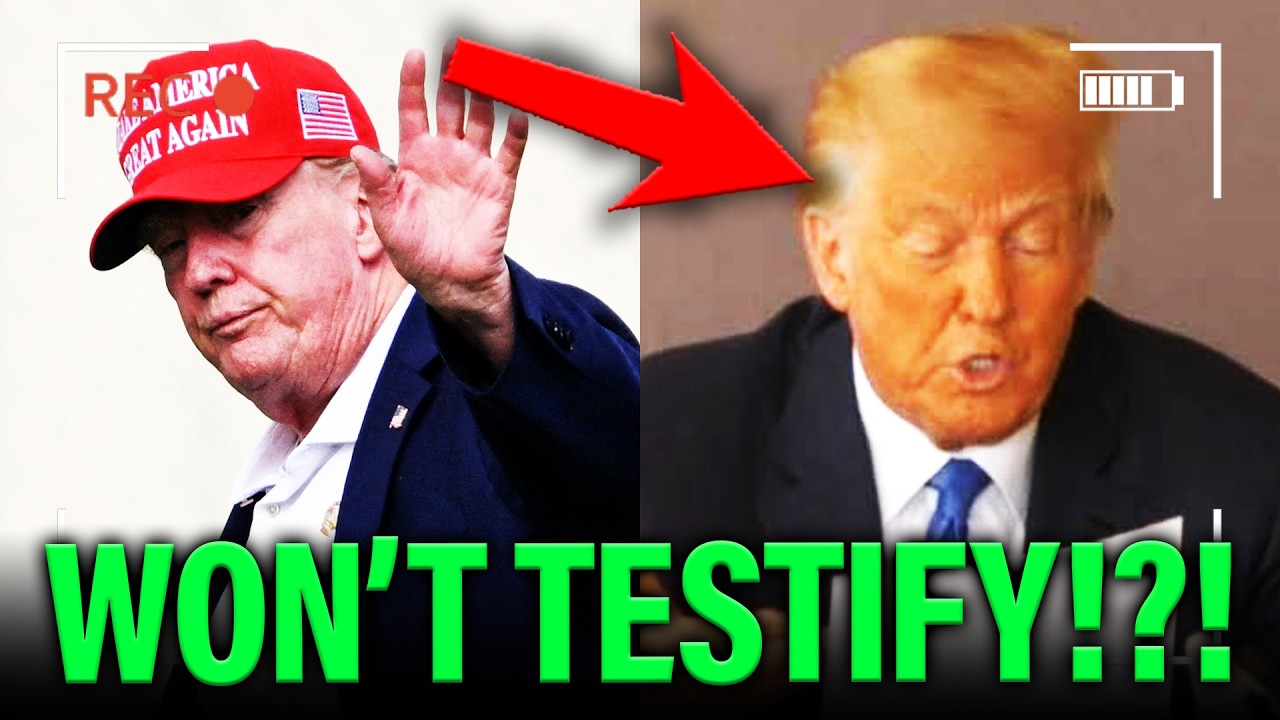
In a stunning twist that has legal experts scratching their heads, former President Donald Trump is reportedly refusing to sit for a deposition in his own defamation lawsuit against the British Broadcasting Corporation (BBC). The case, filed in Florida, has become a bizarre spectacle where the plaintiff—Trump himself—seems to be dodging the very legal process he initiated. This development raises serious questions about the strength of his claims and whether he ever intended to see the case through to a truthful conclusion.
The Lawsuit: Trump vs. BBC
Donald Trump filed a defamation lawsuit against the BBC on December 15, 2025, in the Southern District of Florida. The suit alleges that the BBC defamed him and violated Florida's unfair and deceptive trade practices act through its editing of a speech he gave on January 6, 2021, at the Ellipse. According to Trump's legal team, the BBC's editing misrepresented his words and painted him in a false light, causing reputational harm. He is seeking billions in damages.
The BBC, however, has not taken this lying down. They have vigorously defended their journalism and are now pushing to depose Trump as part of the discovery process. Discovery is set to close in early fall, and the BBC argues that Trump's testimony is the most crucial piece of evidence in the entire case. Without it, they claim, they cannot properly prepare their defense.
The Deposition Dispute: A Timeline of Delay
According to a new filing by the BBC in Florida, Trump's legal team has been stalling for months. The BBC first requested a date for Trump's deposition on July 10, 2025. After a series of back-and-forth emails, a tentative date was set for October 16. Trump's counsel promised to coordinate with the president's schedule and security detail to ensure safety and avoid national security issues. The BBC agreed to all requests.
But then, silence. For six weeks, the BBC heard nothing. On September 16, BBC counsel reached out again to confirm the location. Trump's team responded vaguely, saying they would "get back" to them. On October 7, the BBC asked for a new date, time, and location. Trump's team did not respond. The next day, the BBC sent a draft motion to compel, informing Trump's counsel that they would file it by Friday, October 9.
Instead of providing the requested information, Trump's counsel informed the BBC that the plaintiff had "no availability whatsoever" for a deposition before discovery closes on December 18. They suggested he might be available in January—about a month after discovery ends. This blatant refusal to comply with discovery rules has prompted the BBC to seek court intervention.
Why Trump Is Dodging the Deposition
Legal analysts speculate that Trump is avoiding the deposition because he fears being under oath. In a defamation case, the plaintiff's testimony is critical. Trump would be forced to answer questions about his claims, his state of mind, and the harm he allegedly suffered. Given his history of making false statements and his tendency to ramble, sitting for a deposition could be disastrous for his case.
Moreover, Trump has a pattern of dodging depositions. In a lawsuit against his niece, Mary Trump, he refused to sit for a deposition despite at least five requests. In the E. Jean Carroll case, he invoked the Fifth Amendment during a deposition, only to later regret it when the jury was allowed to draw an adverse inference. And in a case against Michael Cohen, Trump dismissed the lawsuit just as he was about to be deposed. This appears to be his modus operandi: file lawsuits for publicity, then avoid the legal scrutiny that comes with them.
The BBC's Legal Argument
The BBC's motion to compel is grounded in federal law. Under Rule 26 of the Federal Rules of Civil Procedure, parties are entitled to discover any relevant, non-privileged information. The deposition of the plaintiff is almost always the most important piece of discovery in a defamation case. The BBC cites an 11th Circuit case where sanctions were awarded because the plaintiff refused to make himself available. They argue that Trump's unwillingness to sit for a deposition is perilous to his claim and could result in dismissal.
The BBC also points out that they have already produced seven depositions of their own witnesses, while Trump has not been deposed at all. With only two months of discovery remaining, they are running out of time. They are asking the court to compel Trump to appear for a deposition and to set a date certain. A hearing on the motion is scheduled for October 22.
The Broader Implications
This case is not just about Trump and the BBC. It is a test of whether powerful figures can abuse the legal system to harass critics and then evade accountability. If Trump succeeds in avoiding his deposition, it would set a dangerous precedent. It would signal that plaintiffs can file frivolous lawsuits, force defendants to incur huge legal fees, and then refuse to participate in discovery without consequences.
Furthermore, Trump's behavior in this case mirrors his broader legal strategy. He often uses lawsuits as political weapons, filing them to rally his base and attack his enemies. But when it comes time to actually prove his claims in court, he often backs down or stonewalls. This pattern has been evident in his lawsuits against The Wall Street Journal, Michael Cohen, and others.
What Happens Next?
The court will likely rule on the BBC's motion to compel in the coming weeks. If the judge grants the motion, Trump will be ordered to appear for a deposition. If he continues to refuse, he could be held in contempt of court, fined, or even have his lawsuit dismissed. Given his history, it is possible that Trump will simply drop the case rather than face a deposition. That would be a victory for the BBC and a blow to Trump's credibility.
But even if the case is dismissed, the damage may already be done. The BBC has spent millions defending itself, and Trump has succeeded in generating headlines. However, the BBC's aggressive stance may deter future frivolous lawsuits. By fighting back, they are sending a message that they will not be bullied.
Conclusion
Donald Trump's refusal to sit for a deposition in his own defamation case against the BBC is a shocking display of hypocrisy and cowardice. He filed the lawsuit seeking billions, but now he is running from the very process that would allow him to prove his claims. The BBC's motion to compel is a necessary step to hold him accountable. If Trump is allowed to evade discovery, it would undermine the integrity of the legal system. This case is a reminder that no one is above the law—not even a former president. The world is watching to see whether the courts will enforce the rules or let Trump game the system once again.


0 Comments