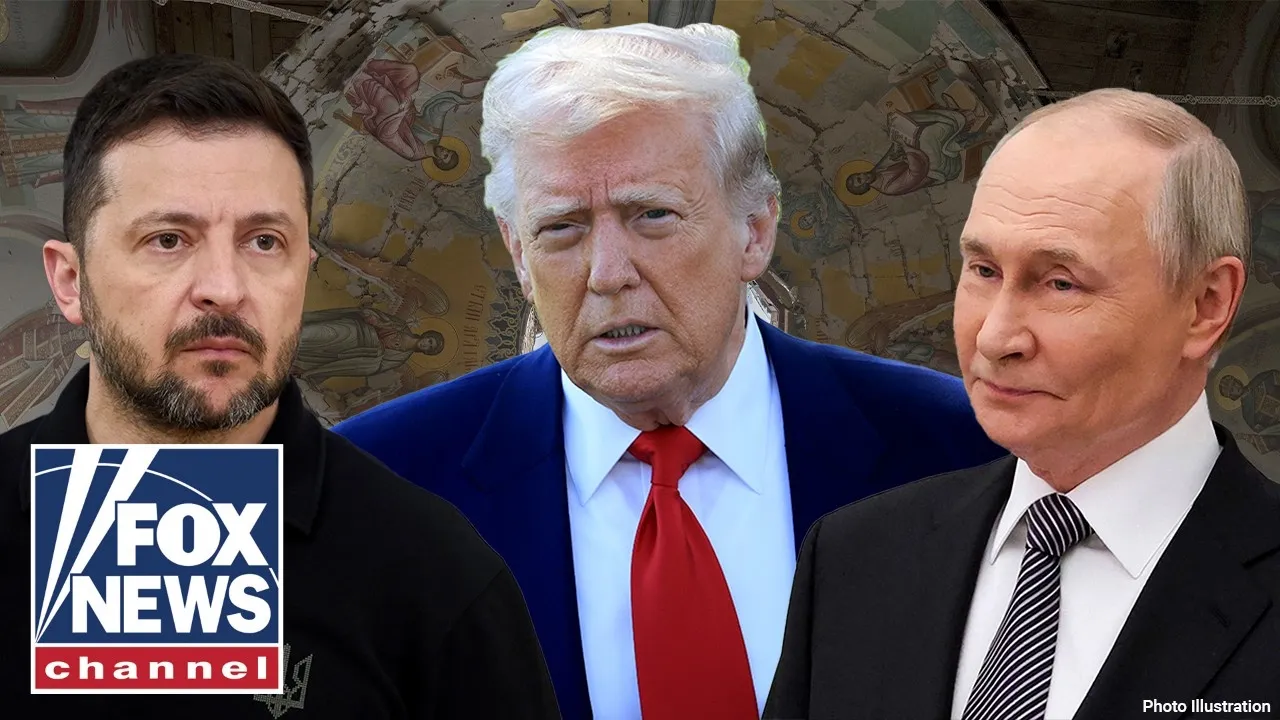
In a move that has stunned global markets and left diplomats scrambling for details, President Donald Trump announced an immediate energy ceasefire between Russia and Ukraine. The surprise declaration, made via social media, claims both nations have agreed to halt attacks on each other's energy infrastructure. But with no formal confirmation from Moscow or Kyiv, the world is left asking: is this a genuine breakthrough or a political stunt?
The Announcement That Shook the World
President Trump took to his preferred platform to drop the bombshell: Russia and Ukraine have agreed to an "energy ceasefire." According to Trump, the deal would stop strikes on refineries, pipelines, and power grids—infrastructure that has been a primary target throughout the war. The president framed it as a personal victory, claiming he personally convinced both sides to back down.
But the announcement came with no warning to European allies, no United Nations involvement, and no signed document. Within hours, Kremlin spokesman Dmitry Peskov said he had "no information" about such an agreement. Ukrainian officials, meanwhile, expressed cautious optimism but demanded specifics. President Volodymyr Zelenskyy stated that his government is waiting for word from Washington on the exact terms, adding that Ukraine is ready to comply if Russia does the same.
Why Energy Infrastructure Is the Battleground
For months, both Russia and Ukraine have targeted each other's energy assets. Russia has pounded Ukraine's power grid, leaving millions without electricity and heat. Ukraine has retaliated by striking Russian oil refineries and diesel fuel depots, causing domestic shortages and driving up global fuel prices.
The economic impact has been severe. Diesel prices in Europe and the United States have spiked, contributing to inflation and straining supply chains. Trump, who has made lowering gas prices a central campaign promise, sees the ceasefire as a way to stabilize global energy markets without directly intervening militarily.
"We told them, do whatever you want, but don't hit the diesel fuel," Trump said in remarks outside the White House. "There's a big problem, big shortage. And what does he do? He goes and hits the diesel fuel. He can do whatever he wants, but he can't do that because we have a world problem."
Trump's frustration with Zelenskyy was palpable, marking a rare public rebuke of the Ukrainian leader. The president's base has grown increasingly wary of unlimited aid to Ukraine, and this ceasefire could be an attempt to appease isolationist factions while claiming a diplomatic win.
Zelenskyy's Response: Fair Deal or Forced Hand?
President Zelenskyy responded carefully, avoiding direct criticism of Trump while making clear that Ukraine will not unilaterally disarm. "If the Russians want us not to attack their diesel, their refineries, and etc., we are asking President Trump, give them a signal—not attack energy infrastructure of Ukraine," Zelenskyy said. "It's a fair deal."
Analysts note that Zelenskyy is in a tough spot. He cannot afford to alienate his most important ally, but he also cannot trust Vladimir Putin to honor any agreement. Previous ceasefires have collapsed within days, with both sides accusing the other of violations. Without robust monitoring, this energy ceasefire could be just another temporary pause before the next round of strikes.
Moreover, the deal appears to have been brokered without Ukraine's direct input. Trump's announcement suggests he informed Zelenskyy rather than negotiated with him. That dynamic could undermine Zelenskyy's domestic standing, where any hint of capitulation to Moscow is politically toxic.
The Kremlin's Silence: A Red Flag
Russia's initial silence is telling. If Putin had genuinely agreed to a ceasefire, the Kremlin would likely trumpet it as a diplomatic victory. Instead, officials have been evasive, neither confirming nor denying the deal. That could mean Moscow is still calculating its next move—or that Trump jumped the gun.
Some experts speculate that Russia may use the ceasefire to regroup and repair damaged refineries, which have been hit hard by Ukrainian drones. A pause in attacks would give Russia breathing room to restore fuel production, potentially easing domestic shortages. Once repaired, Russia could resume strikes with greater intensity.
Conversely, Ukraine could use the lull to rebuild its own energy grid, which has been devastated by Russian missiles. But without guarantees, both sides may simply be preparing for the next phase of the war.
Global Reaction: Skepticism and Hope
European leaders reacted with cautious optimism. German Chancellor Olaf Scholz called any reduction in hostilities "welcome," but stressed that Russia's actions must match its words. French President Emmanuel Macron urged both sides to formalize the agreement through international monitors. The United Nations offered to facilitate talks but has not been invited.
Energy markets responded immediately. Oil prices dipped briefly on the news, but analysts warned that the rally could be short-lived if the ceasefire collapses. Diesel futures remained volatile, reflecting deep uncertainty.
In the United States, reaction split along partisan lines. Trump allies hailed the move as proof of his deal-making prowess. Critics accused him of undermining Ukraine and cozying up to Putin. The White House has not released any formal documentation, leaving many questions unanswered.
The Political Calculus for Trump
With his approval rating at 39% according to recent Fox News polling, Trump needs a win. He has traveled to more than seven states in the last week and a half, trying to mobilize his base ahead of the midterms. Lower gas prices would be a powerful campaign talking point. If the ceasefire holds and diesel prices fall, Trump can claim credit.
But the risks are enormous. If Russia violates the ceasefire—or if Ukraine refuses to comply—Trump will look naive or worse. If the deal is seen as selling out Ukraine, it could alienate moderate voters and energize his opponents. And if the ceasefire is merely a temporary pause, the underlying conflict remains unresolved.
Trump's previous foreign policy moves have been unpredictable. He has praised Putin, criticized NATO, and questioned aid to Ukraine. This energy ceasefire fits that pattern: bold, unilateral, and light on details. Whether it becomes a legacy achievement or a cautionary tale depends on what happens next.
What Happens If the Ceasefire Fails?
If the energy ceasefire collapses, the war could escalate quickly. Russia might launch massive strikes on Ukraine's remaining power plants, plunging cities into darkness as winter approaches. Ukraine could target Russian oil exports, driving global prices even higher. The United States might be forced to choose between deeper involvement and standing aside.
Alternatively, the ceasefire could hold, creating space for broader negotiations. Some diplomats see it as a potential first step toward a general truce. But without trust, verification, and enforcement, that remains a distant hope.
For now, the world watches and waits. Trump has made a dramatic bet. Russia and Ukraine are hedging. And the energy markets are holding their breath.
Conclusion: A Fragile Peace or a Dangerous Gamble?
President Trump's announcement of an immediate energy ceasefire between Russia and Ukraine is nothing short of shocking. It upends years of U.S. policy, sidelines European allies, and puts Trump's personal credibility on the line. But with Russia silent, Ukraine waiting, and no formal agreement in sight, the deal is far from done.
If it works, it could lower gas prices, ease global shortages, and burnish Trump's image as a dealmaker. If it fails, it could deepen the war, damage U.S. credibility, and haunt Trump's presidency. Either way, the coming days will be critical. The world is watching—and nobody knows what happens next.


0 Comments