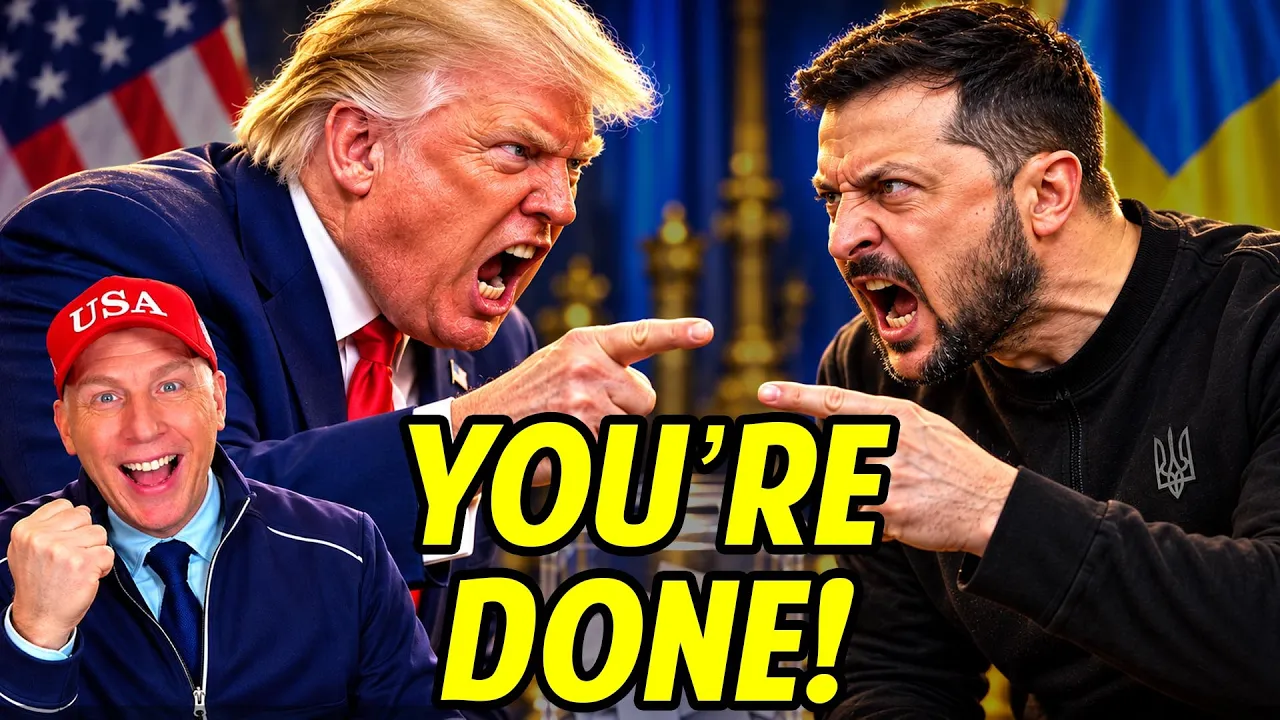
In a stunning turn of events, President Donald Trump has publicly called for Ukraine to hold new elections, effectively telling President Volodymyr Zelenskyy that it's "time for a new president." The blunt remark, made to reporters at the White House, has sent shockwaves through international diplomacy and raised urgent questions about the future of U.S.-Ukraine relations. Trump's demand comes amid escalating tensions over Zelenskyy's continued attacks on Russian oil refineries, which Trump claims are destabilizing global energy markets and hurting American farmers and ranchers.
The Breaking Point: Refineries and Ceasefire
Trump revealed that he had personally warned Zelenskyy to stop targeting Russian oil refineries, emphasizing that such actions have worldwide repercussions, especially for diesel fuel supplies. "We said you could do whatever you want to Russia, don't hit the refineries because that's a world problem," Trump said. He stressed that Russia supplies a large portion of the global diesel fuel, and attacks on refineries could lead to shortages and price hikes that would affect American consumers and the economy.
According to Trump, Zelenskyy ignored the warning and continued to strike refineries, prompting the U.S. President to issue a stark ultimatum: "He better damn well stop." This defiance, Trump argues, demonstrates Zelenskyy's unwillingness to negotiate and his disregard for global stability.
A History of Missed Opportunities
Trump has long criticized Zelenskyy for failing to settle the war with Russia, claiming that he could have made a deal "many, many times." The former president reiterated his belief that the war would never have started if he were in office, blaming the conflict on incompetence and the "rigged" 2020 election. He pointed to Ukraine's losses—30% of its territory and over a million casualties—as evidence of Zelenskyy's failure to protect his country.
In a direct exchange with a Ukrainian reporter who pleaded for continued U.S. support, Trump agreed that the suffering was real but shifted blame to Zelenskyy: "It's not my fault, it's your president's fault." He suggested that a new leader who can make deals is necessary to end the bloodshed.
Zelenskyy's Response: Elections with Conditions
Zelenskyy fired back, acknowledging Trump's call for elections but insisting that it's up to the Ukrainian people to choose their leader. He outlined the difficulties of holding elections during wartime, citing security concerns and constitutional challenges. However, he offered a conditional path: if Putin agrees to a 60-day total ceasefire, Ukraine could organize elections. "Please tell Putin, give us 2 months, 60 days of total ceasefire, and we will organize elections," Zelenskyy said, adding that Ukrainians would be ready for any choice.
This offer, however, was met with skepticism from critics who note that Zelenskyy has previously canceled elections and imposed martial law, effectively extending his term indefinitely. They argue that his sudden willingness to hold elections is a tactical move to deflect pressure rather than a genuine commitment to democratic processes.
Energy Ceasefire: A Fragile Truce
In a related development, Trump announced on Truth Social an "energy ceasefire" effective immediately, meaning both parties have agreed not to target energy infrastructure. "You guys can still kill each other, just leave the energy alone," he wrote. The ceasefire aims to stabilize global energy markets, but already there are concerns about violations. If broken, it could further escalate tensions and undermine Trump's diplomatic efforts.
Domestic Repercussions: Voter Fraud and Suppression Polls
While the international drama unfolds, Trump's allies are also sounding alarms about domestic issues ahead of the midterms. Department of Homeland Security Secretary Markwayne Mullin revealed that there are 1,600 open cases of election fraud, 215 arrests, and 300,000 possible cases under investigation. He warned that non-citizens are being mailed ballots and that deceased individuals are receiving them, citing New Jersey as an example. "One illegal vote cancels one legal vote," Mullin said, advocating for the Save America Act to secure elections.
Additionally, Stephen Miller accused Democrats of publishing "suppression polls" to demoralize voters and convince them that fighting is futile. He warned that if Democrats regain power, they will shut down DHS, block tax cuts, and undo Trump's policies, leading to higher taxes and open borders. "Can you morally align yourself with a party that thinks the rights of illegal alien rapists are more important than American children?" Miller asked, highlighting the high stakes of the upcoming election.
Analysis: A Calculated Pressure Campaign?
Trump's call for new elections in Ukraine is a calculated move to pressure Zelenskyy into negotiating with Russia. By publicly demanding a change in leadership, Trump aims to force Zelenskyy to the table, potentially ending the war and reducing global energy prices. This aligns with Trump's broader strategy of using leverage to achieve foreign policy goals, as seen in his previous dealings with North Korea and the Middle East.
However, the approach carries risks. It could embolden Russia, undermine Ukrainian morale, and strain U.S.-Ukraine relations. Zelenskyy's conditional offer of elections after a ceasefire is a clever counter, shifting the burden to Putin. If Putin refuses, Zelenskyy can claim he tried, while Trump's demand appears unreasonable.
The Diesel Fuel Factor
Trump's focus on diesel fuel is not incidental. Diesel prices affect everything from transportation to agriculture, and with inflation concerns looming, Trump is keen to show he can lower costs. By securing a deal with Putin to buy Russian diesel, he aims to stabilize prices, a move that Tom Emmer praised as "thinking outside the box." However, critics argue that buying Russian fuel undermines sanctions and rewards aggression.
Conclusion: A Defining Moment
Trump's demand for new elections in Ukraine marks a dramatic shift in U.S. foreign policy, prioritizing deal-making over traditional alliances. Whether it leads to peace or further conflict remains to be seen, but one thing is clear: Trump is determined to end the war on his terms. As the midterms approach, this episode underscores the high stakes of leadership and the importance of strong, decisive action in a volatile world.


0 Comments