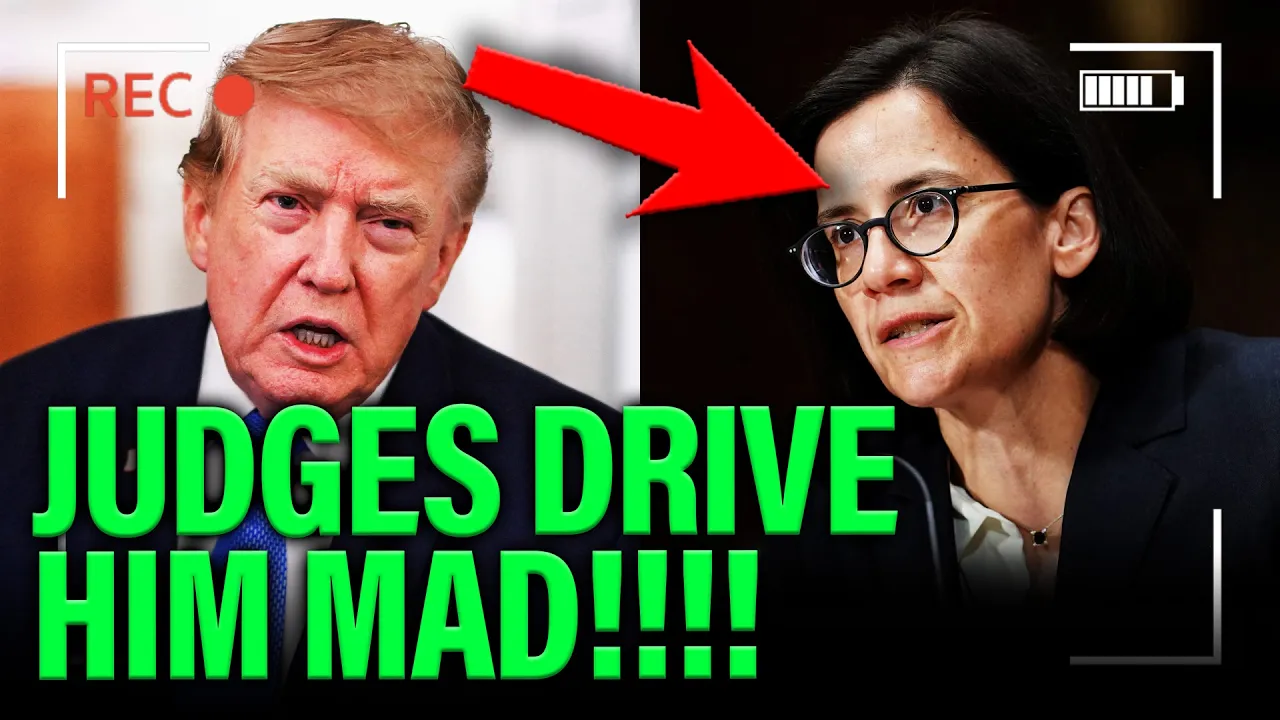
In a stunning courtroom revelation, a federal judge disclosed that her family is living in fear due to relentless attacks from former President Donald Trump and his allies. The judge, who has been presiding over a controversial case involving a golf course, spoke out about the threats and intimidation she and her family have faced. This development comes amid a broader pattern of Trump and his supporters targeting judges who rule against him, raising concerns about the independence of the judiciary and the safety of public officials.
The Golf Course Case and Judicial Backlash
The case at the center of this firestorm involves the Trump administration's plans to transform a historic municipal golf course into a sprawling 36-hole complex. The judge, Anna Reyes, had previously shown deference to the Department of Justice, complimenting their briefing and trusting their assurances that they would not proceed with destructive actions without warning. However, in October, it became clear that the administration was moving forward with a plan to cut down trees and begin construction, despite earlier promises. Judge Reyes called an emergency hearing, where she expressed her frustration and sense of betrayal.
During the hearing, the Department of Justice attempted to dismiss the case by claiming there was no final agency action and that the court lacked jurisdiction. They also filed a motion to disqualify Judge Reyes, accusing her of bias against the administration. Judge Reyes denied the motion and sharply questioned the DOJ lawyers about their conflicting statements. The tension escalated when a newly introduced DOJ lawyer, Stan Woodward, instructed his colleagues not to answer the judge's questions, prompting her to demand written explanations by the next day.
Personal Attacks and Threats Against Judges
The most heart-wrenching moment came when Judge Reyes revealed that her family is terrified due to the verbal attacks and threats directed at her. She attributed this climate of hostility to Trump's dog-whistle rhetoric against federal judges. This is not an isolated incident; other judges, such as Judge Esther Salas, have faced horrific consequences. In 2020, Judge Salas's son was murdered by a gunman who targeted her home. Since then, she has received disturbing threats, including pizzas sent in her son's name as a macabre warning.
The attacks on judges are part of a larger pattern of undermining democratic institutions. Trump has repeatedly singled out judges who rule against him, questioning their legitimacy and motivating his followers to harass and threaten them. This behavior is reminiscent of authoritarian tactics used to silence dissent and consolidate power. The judiciary is a co-equal branch of government, and attacks on judges are attacks on the rule of law itself.
The Broader Implications for Democracy
The intimidation of judges poses a grave threat to the independence of the judiciary. If judges cannot rule impartially without fear of personal harm, the entire justice system is compromised. The American Bar Association and other legal organizations have condemned these attacks, emphasizing that a functioning democracy requires respect for judicial independence. The situation is exacerbated by the rise of social media, where misinformation and inflammatory rhetoric can spread rapidly, inciting violence.
Moreover, the attacks on judges are not limited to Trump himself. His allies and supporters in Congress and the media have amplified the attacks, creating a dangerous environment for judges and their families. This has led to increased security measures for many judges, but the psychological toll is immeasurable. Judges are public servants who deserve to carry out their duties without fear for their safety or the safety of their loved ones.
The Role of the Trump Administration in Undermining Trust
The Trump administration's approach to the golf course case exemplifies a broader disregard for legal norms. By making promises to the court and then reneging, the administration has shown contempt for judicial authority. The introduction of a high-ranking DOJ official to argue the case at the last minute suggests a coordinated effort to intimidate the judge and derail the proceedings. This behavior is consistent with the administration's track record of ignoring subpoenas, refusing to cooperate with investigations, and attacking the legitimacy of courts that rule against it.
Furthermore, the administration's attempts to discredit Judge Reyes by accusing her of bias are a classic tactic to deflect from its own misconduct. The motion to disqualify was based on her earlier compliments to the DOJ, which were twisted to suggest favoritism. In reality, Judge Reyes was simply acknowledging the professionalism of the lawyers before her, only to be betrayed by their subsequent actions. Her frustration is understandable and underscores the importance of judicial integrity.
Conclusion: A Call to Protect the Judiciary
The attacks on Judge Reyes and other federal judges are a wake-up call for all Americans who value democracy. The judiciary must be allowed to operate without fear or favor, and judges must be protected from harassment and violence. It is incumbent upon leaders from all political parties to condemn these attacks and uphold the rule of law. As citizens, we must also speak out against attempts to undermine the courts and support measures to ensure the safety of judges and their families.
The upcoming midterm elections present an opportunity to reject the politics of intimidation and restore respect for democratic institutions. By voting for candidates who uphold the rule of law and reject authoritarian tactics, we can send a clear message that attacks on judges will not be tolerated. The future of our democracy depends on a strong and independent judiciary, and we must all do our part to protect it.


0 Comments