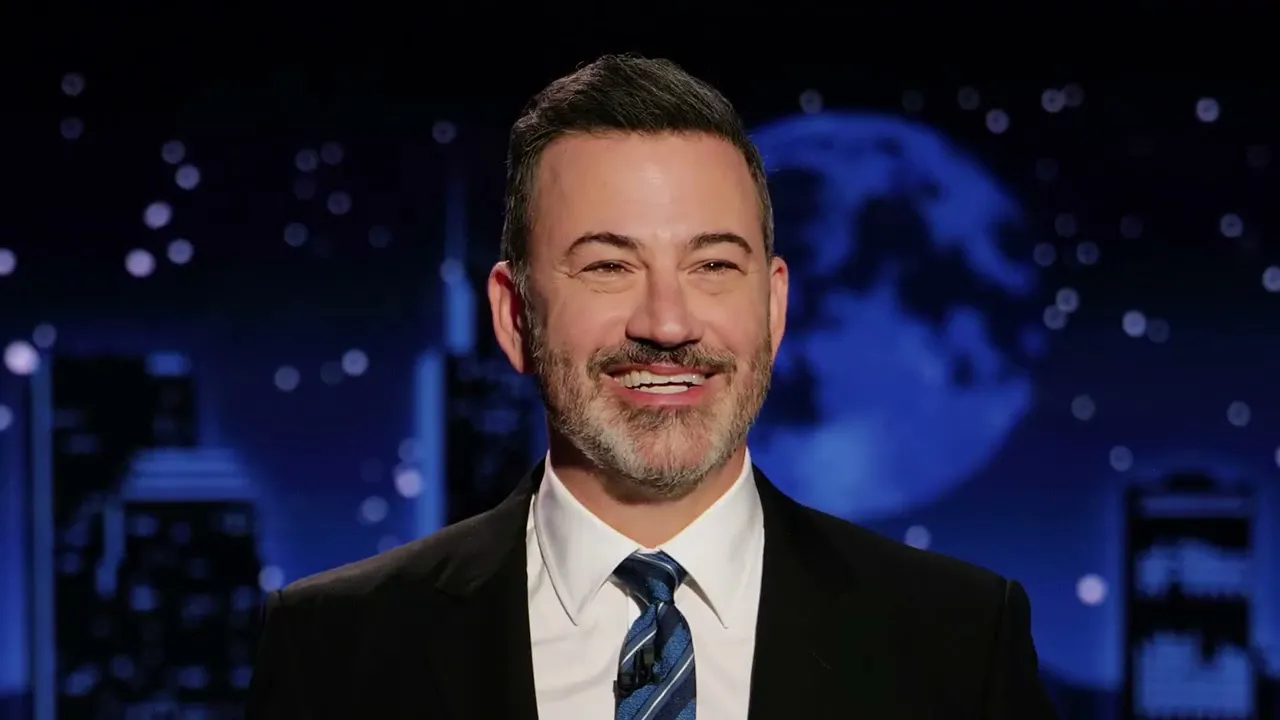
When ABC pulled Jimmy Kimmel from the air, Donald Trump openly celebrated the decision. He went after Kimmel's ratings, took shots at his talent, and argued that the program should have been gone long before it actually was. But just days later, when Kimmel returned to television, the situation was no longer simply a clash between a president and a late-night host. The controversy had begun moving into a much bigger arena, with the fight increasingly reaching Washington and raising questions that extended far beyond one television show.
The Initial Spark: Trump's Verbal Attack
In a series of public remarks, Trump lashed out at Kimmel, calling him untalented and blaming low ratings for his removal. "Jimmy Kimmel was fired because he had bad ratings more than anything else," Trump said, also referencing a comment Kimmel made about Charlie Kirk. "He said a horrible thing about a great gentleman known as Charlie Kirk. And Jimmy Kimmel is not a talented person. He had very bad ratings, and they should have fired him a long time ago. So, you know, you can call that free speech or not. He was fired for lack of talent."
Trump didn't stop there. He suggested that anyone could replace Kimmel and dismissed his comedic abilities entirely. "The guy had no talent. Kimmel had—look, he was fired. He had no talent. He's a whack job, but he had no talent, and more importantly than talent, he had no ratings. His ratings were worse than Colbert, I think."
These comments were not just offhand remarks; they set the tone for a broader assault on Kimmel and, by extension, on media figures who critique the president.
Kimmel Fires Back with a Story
Kimmel, never one to back down, responded with a monologue that included a damning anecdote about Trump. He recounted a story told to him by Dr. Oz and his wife, Lisa, about an incident at Mar-a-Lago. According to Kimmel, Trump once asked an older woman how she looked, and when she replied, he said, "You'll look better wet," and shoved her into a pool. Lisa Oz reportedly helped the woman out and got her towels while Trump laughed. Kimmel used the story to paint Trump as cruel and disrespectful, adding, "They told us the story with disgust. They were disgusted."
The anecdote quickly went viral, adding a personal and visceral dimension to the feud. It also highlighted Kimmel's willingness to use his platform to challenge the president's character, not just his policies.
Escalation: Trump's Threats Against Broadcasters
Trump's attacks on Kimmel were part of a larger pattern. He has repeatedly suggested that his administration could take action against TV broadcasters if their coverage is too negative. "I hate what Jimmy Kimmel said. I am thrilled that he was fired," Trump said. "But let me tell you, if the government gets in the business of saying, 'Well, you can't say what you, the media, have said. We're going to ban you from the airwaves if you don't say what we like,' that will end up bad for conservatives."
This statement, while seemingly acknowledging the dangers of government overreach, also implied that such actions were on the table. It raised alarms among free speech advocates and even some conservatives.
FCC Chair's Warning and Bipartisan Concern
FCC Chair Brendan Carr had warned broadcasters that there could be consequences for airing content critical of the president. This, combined with Trump's public celebration of Kimmel's removal, drew concern from politicians on both sides of the aisle. Senator Ted Cruz, who has had his own beef with Kimmel, called the pressure from the FCC chair "like the work of a mob boss." Cruz argued that government officials threatening broadcasters because of their speech could create a dangerous situation, even as he made it clear he did not support Kimmel's comments.
Democratic lawmakers raised similar concerns, pointing to the First Amendment and the possibility of regulatory pressure influencing television networks. The controversy was no longer about Kimmel's jokes; it was about whether the government should have a role in shaping what broadcasters feel comfortable putting on television.
Melania Trump Joins the Fray
First Lady Melania Trump also called on ABC to fire Kimmel, issuing a statement on X saying he should not be allowed on the airwaves. The backlash surrounded a sketch where Kimmel pretended to be the hired comedian at the White House Correspondents' Dinner. Kimmel made jokes including one about the First Lady's appearance. She called his jokes "corrosive" and said they "deepen the political sickness within America."
Her intervention added a personal angle to the controversy, suggesting that the attacks on Kimmel were not just political but also personal.
Kimmel's Return and the Bigger Debate
When Kimmel returned to ABC, he addressed the controversy head-on. He thanked fellow late-night hosts who reached out, including Jon Stewart, Seth Meyers, Jimmy Fallon, John Oliver, Conan O'Brien, James Corden, Arsenio Hall, Kathy Griffin, Wanda Sykes, Chelsea Handler, and even Jay Leno. He also mentioned hearing from hosts in other countries, including Germany, who offered him a job. "This country has become so authoritarian, the Germans are like, 'Come here,'" he joked.
Kimmel also recounted a story about Trump reading a critical statement about him at the Oscars, saying, "He is the worst host of the history." Kimmel added, "He's one of the dumbest human beings ever. He should have listened to his wife. What a dope."
But the laughs masked a serious underlying issue. By this point, the controversy was no longer simply about whether audiences enjoyed Kimmel's jokes or agreed with what he said. The discussion had expanded into a much broader argument about free speech and government pressure.
Analysis: The Stakes for Free Speech and Media Independence
The Trump-Kimmel feud is a microcosm of a larger battle over the role of government in regulating speech. Trump's comments and the FCC chair's warnings suggest a willingness to use regulatory power to punish critical coverage. This raises serious First Amendment concerns. While the FCC does have some authority over broadcasters, using it to retaliate against speech is a dangerous precedent.
Even conservatives like Ted Cruz recognized the threat. "If the government gets in the business of saying, 'We're going to ban you from the airwaves if you don't say what we like,' that will end up bad for conservatives," Trump himself said, perhaps unintentionally highlighting the risk. Government censorship is a double-edged sword; today it targets late-night comedians, tomorrow it could target conservative voices.
The controversy also underscores the power of late-night television as a platform for political commentary. Kimmel's willingness to confront the president directly, using humor and personal anecdotes, has made him a focal point in the resistance to Trump's rhetoric. His return to air, and the ensuing debate, shows that silencing critics is not as easy as firing them.
Conclusion: A Fight That Transcends Late Night
What started with a late-night monologue, Trump's reaction, and the temporary removal of Kimmel has developed into a national debate about speech, pressure, and the relationship between government and the media. Kimmel is once again sitting behind his desk, but the argument surrounding him has grown far beyond the late-night stage. It is a debate that will likely continue to shape the contours of free speech in America for years to come. The question now is not just whether Kimmel is funny or talented, but whether the government should have any say in what we watch and hear. That is a question every American should be concerned about.


0 Comments