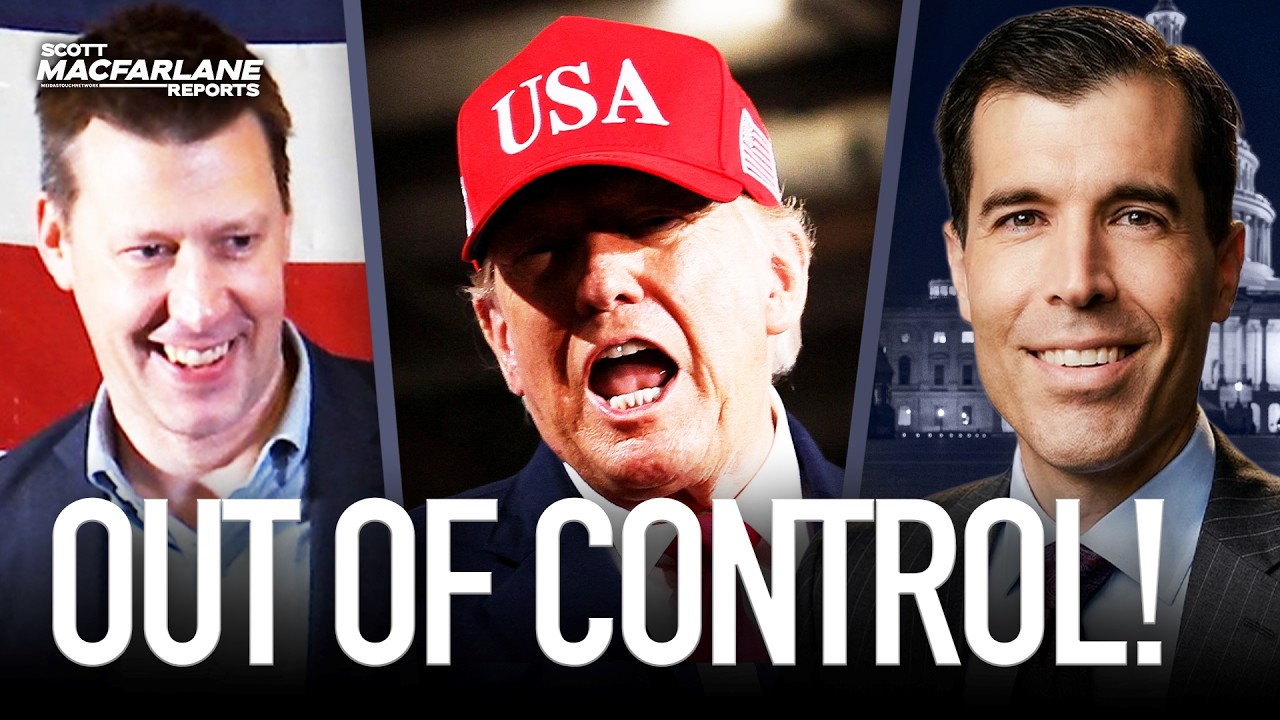
In the heated arena of American politics, few issues resonate as deeply as the rising cost of living. Voters across the country are feeling the squeeze, and politicians are scrambling to address their concerns. Among them, a freshman Democrat from New York's 19th district, Josh Riley, has emerged as a fierce advocate for utility bill relief. His efforts have not only caught the attention of his constituents but also seem to have rattled the Trump camp, as the former president and his allies face mounting pressure over pocketbook issues.
The Kitchen Table Crisis
For many families, the kitchen table is where budgets are balanced and worries are shared. It's a place where the abstract becomes concrete: the water bill that jumped to $239, the electric bill that seems to climb every month, the grocery receipts that leave little left for extras. These are the concerns that keep people up at night, and they are the ones that Josh Riley has made his mission to address.
Riley's approach is personal. He grew up in an EJ house on Brazil Street, where his parents sat down weekly to allocate every dollar. They used envelopes for each expense: groceries, utilities, the mortgage, even school clothes on layaway at Kmart. "If there were leftovers, maybe ice cream at Pat Mitchell's or wing night at Kelly's," he recalls. "But the point is, we knew where every penny went, and we felt it when prices went up."
Now, as a congressman, Riley hears similar stories from his constituents. "I don't ask folks if they're a Democrat or Republican," he says. "I ask what they're talking about at the kitchen table. And what I hear is that they feel like they're drowning." Housing costs, healthcare, groceries, gas—all are straining budgets. But the utility bill, often from monopolies like Central Hudson, National Grid, or NYSEG, is what pushes many over the edge.
The Political Fallout
Riley's focus on utility costs is not just a matter of policy; it's a political calculation. He was among the first Democrats to press this issue in 2024, and it helped him win a competitive seat. Now, as he continues to fight, he's putting Republicans—and by extension, Donald Trump—on the defensive. The former president, known for his economic rhetoric, is now facing a reality where voters are angry about rising bills, and they're looking for someone to blame.
"This is politically cancerous if you're the party in power," notes political analyst Scott McFarland. "And that's team Trump and Republicans across Congress." Indeed, the issue cuts across party lines. Voters don't care about ideology when they're struggling to pay for basic necessities. They want action, and they want it now.
Democrats running in battleground districts are seizing on the issue, recognizing that it's a winner. They're pressing hard, and it's making Republicans squirm. The White House, under Trump's influence, has yet to offer a convincing solution, and the silence is deafening to those facing skyrocketing bills.
A System Rigged Against Consumers
At the heart of the problem, according to Riley, is a system that's been rigged in favor of utility companies. "They buy off politicians," he asserts, "and then those politicians do what's good for the utilities, not what's needed for the people." Riley is the first member of Congress to sue utility companies and put executives under oath during rate cases. He's pushing legislation to stop foreign ownership of utilities and to end executive bonuses that reward CEOs for profitability rather than affordability.
"It's a big fight," he admits. "I'm up against the political establishment, a corrupt system, and some of the most powerful corporations in the world. But this is a fight that has to be fought."
The complexity of utility bills is by design, Riley argues. "They're meant to be incomprehensible so that people can't fight back. But what people do understand is that these monopolies have us in a vice. We can't choose a different provider. And these companies, often owned by foreign corporations, see us not as neighbors but as line items on a spreadsheet."
He points to a recent example: NYSEG, owned by a Spanish corporation, sent $2 billion to Spain and a $450 million dividend to its corporate overlords, then turned around and asked ratepayers to foot the bill for infrastructure upgrades. "How can you not be angry?" Riley asks. "That money should stay in our community to lower bills, raise wages, and fix the grid."
The Anger is Real
When asked if constituents are frustrated or pissed off, Riley doesn't mince words. "Whatever the strongest word for anger is, that's what we're experiencing," he says. "And they have every right to be angry."
This anger is a powerful political force. It's the kind that can fuel campaigns and topple incumbents. For Trump and Republicans, it's a looming threat. They can't easily dismiss it as a partisan issue because it affects everyone. They can't claim it's a temporary spike because bills have been climbing for years. And they can't ignore it because voters won't let them.
Riley's advice to his colleagues? "Stop taking corporate PAC money. Stop participating in a corrupt system. Start fighting for folks who are struggling." It's a simple message, but a radical one in a political landscape where money often dictates policy.
What's Next?
Riley is committed to staying on this issue indefinitely. "Those bills don't go down without proper pressure or attention," he says. He's encouraging people to share their utility bill horror stories, to keep the spotlight on the problem. And he's not alone. Across the country, other Democrats are following his lead, making utility costs a central theme of their campaigns.
For Trump, the challenge is clear: he needs to offer a solution or risk losing the support of voters who are fed up with rising costs. His usual playbook of blaming Democrats and promising tax cuts may not work when people are looking at their bills and seeing red. The pressure is on, and how he responds could shape the political landscape for years to come.
Conclusion
The battle over utility bills is more than just a policy dispute; it's a test of political authenticity. Josh Riley has tapped into a deep well of frustration, and his willingness to take on powerful interests has resonated with voters. For Trump and the GOP, the rising anger over utility costs is a warning sign. If they fail to address it, they may find themselves on the wrong side of a kitchen table revolt that could sweep them out of power.


0 Comments